Trading
Learn how to develop and implement a trading plan that consists of analyzing the markets, filtering for potential opportunities, assessing risks, executing trades, and evaluating results.
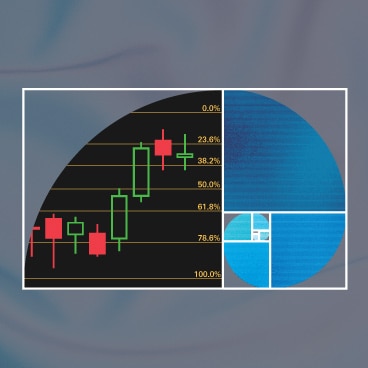
Fibonacci Retracement and Extension Levels Explained
Fibonacci retracement and extension levels are technical analysis tools that can help traders identify potential support and resistance price levels in stock trading.
IPO Basics: What to Know Before Investing
IPOs can be appealing, but they also require caution. Learn how the IPO process works, what to review before investing, and why hype doesn't always signal a good investment.
What Is Inflation? How It Works and Why It Matters
Inflation is a broad rise in the prices of goods and services over time that reduces purchasing power. Learn what causes it, how it's measured, and why it matters to investors.
What Is Stagflation? Causes, Examples, and Impact
Stagflation is a mix of high inflation, weak economic growth, and rising unemployment. Learn what causes it, how it affects markets, and what it can mean for investors.

Stocks That Own Stocks: Know What You're Getting
More companies, particularly in tech, are buying shares in other companies. What's behind this strategy, and what should investors know when they invest?
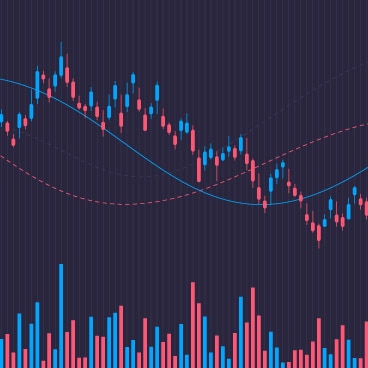
Using Implied Volatility Percentages and Rankings
Learn how implied volatility (IV) percentages and percentile rankings can help identify when changes in options pricing are normal or unusual.

STAX Generational Trends: Millennials Turn Bullish
The Schwab Trading Activity Index™ tracks client activity to gauge sentiment. Younger generations closed the sentiment gap in May, becoming more bullish as indexes hit highs.
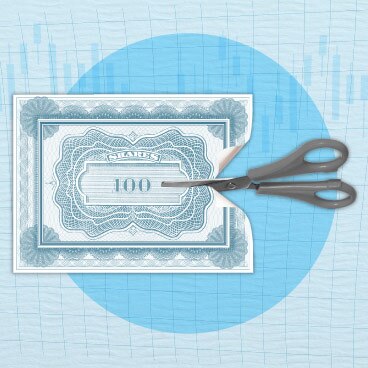
What Investors Should Know About Stock Splits
Learn how stock splits work, why companies use them, how they affect investors, and why markets sometimes react strongly to these mostly cosmetic corporate actions.

Short Selling: The Risks and Rewards
Make sure you understand the risks of short selling before taking the plunge.

4 Reasons to Try Paper Trading
Paper trading isn't only for beginners. Here are four reasons you might benefit from a simulated trading experience.